
Southeast Asia Friendship Initiative 2025
Learning Beyond the Classroom: Kent Ridge Hall’s Journey to Phuket, Thailand
In December 2025, 30 students from Kent Ridge Hall embarked on a ten-day experiential learning journey to Phuket, Thailand, as part of the Southeast Asia Friendship Initiative (SFI2034). Designed to move learning beyond the classroom, this programme immersed students in real-world challenges faced by communities in Phuket and encouraged them to respond using an entrepreneurial and problem-solving mindset. Through site visits, stakeholder engagement, and cultural exchanges, students explored how the United Nation Sustainable Development Goals (SDGs) manifest on the ground — where environmental, economic, and social priorities intersect in complex ways.
Understanding Sustainability on the Ground
Rather than studying sustainability in abstraction, students encountered it through lived experiences across Phuket. At the Sustainable Tourism Development Foundation, they examined how mass tourism contributes to carbon emissions and environmental strain, and discussed what it would take to move Phuket towards carbon-neutral tourism. This was further reinforced at the Phuket Solid Waste Management Centre at Saphan Hin Park, where students traced how tourism-generated waste is processed — and where existing systems fall short.
One of the students, Khen Nipanuthiyan, mentioned that “ Seeing how waste is actually handled on the ground really changed [his] perspective about [his] consumption as a tourist. Sustainability issues also extended to ecosystems and food systems.” Visits to the Marine Conservation Research Centre highlighted the threats facing marine biodiversity due to pollution, irresponsible tourism, and overfishing, while showcasing rescue and rehabilitation efforts. Together, these experiences made clear that sustainability challenges in Phuket are interconnected, spanning climate action, responsible consumption, marine conservation, and sustainable cities.
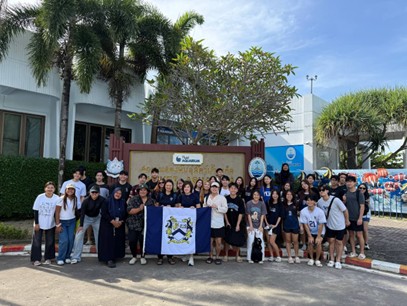
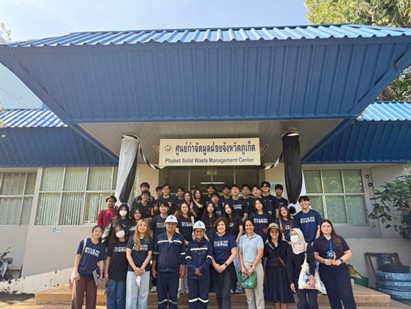
Figure 1 & 2: Students visiting Phuket Solid Waste Management Centre & the Marine Conservation Centre’s Aquarium and Animal Hospital respectively.
Entrepreneurship as a Tool for Impact
Entrepreneurship emerged as a key lens through which students were encouraged to engage with these challenges. At Ker Chor Elephant Family Phuket, students explored how ethical wildlife tourism can be economically viable while prioritising animal welfare. By comparing ethical sanctuaries with exploitative elephant tourism models, students were prompted to think critically about how education, partnerships, and innovative business models could strengthen responsible tourism practices.
Similarly, visits to the Black Salmon Aquaculture Farm and the Koh Siray Sea Gypsy Community pushed students to examine how food security, livelihoods, and environmental sustainability can be balanced. Students analysed how aquaculture, traditional fishing, and tourism demand interact —and how entrepreneurial solutions could respect cultural heritage while supporting sustainable marine practices. These case studies reframed SDG challenges as opportunities for social innovation, rather than problems with one-size-fits-all solutions. SFI participant Justin Goh added that “There’s no perfect solution – but understanding different stakeholders opened my team and I up to six to seven solutions that are fairer and more realistic.”
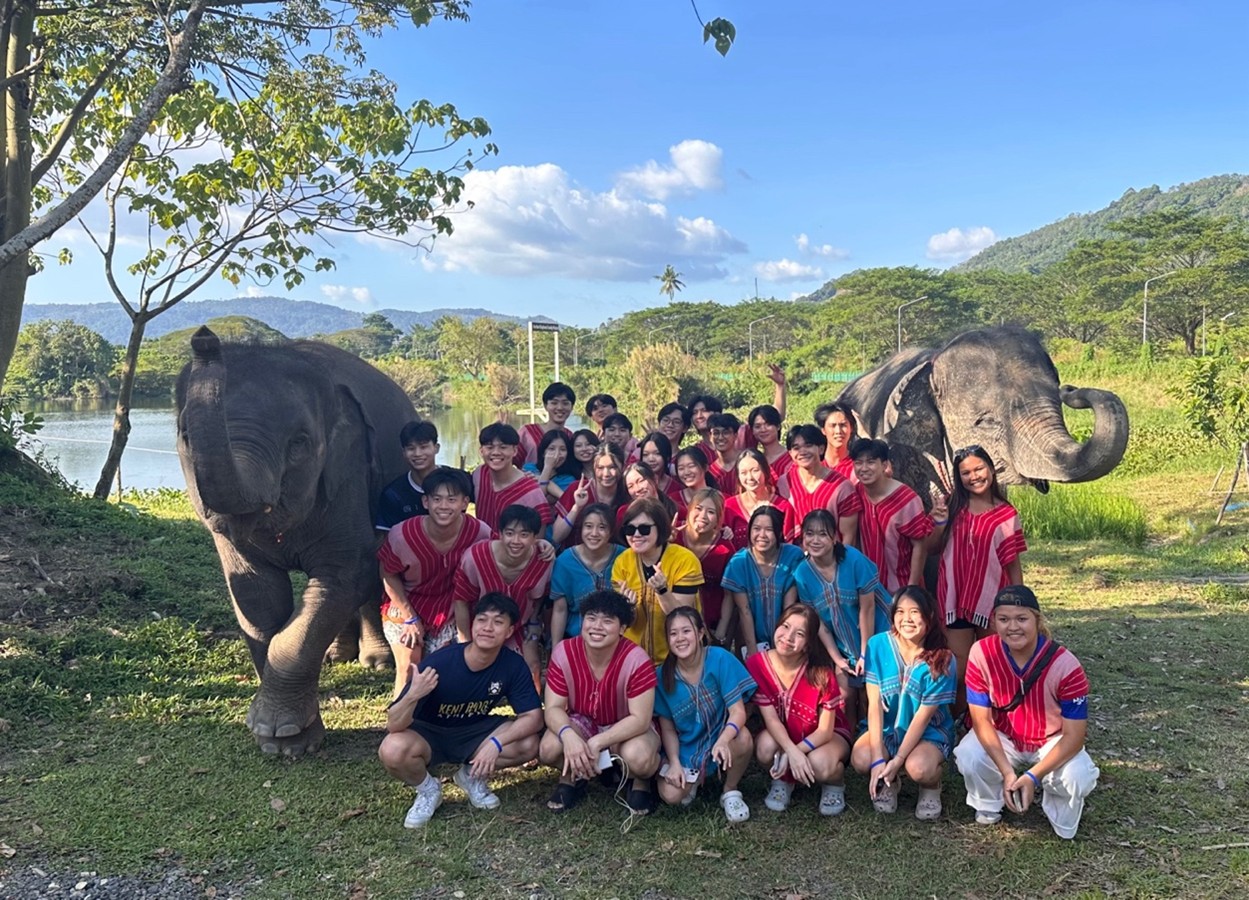
Figure 3: Students engaging with the baby elephants at Ker Chor Elephant Sanctuary
Cultural Immersion Beyond Observation
Cultural immersion was not treated as a side activity, but as a core component of learning. Through engagement with the Sea Gypsy Community, students gained insight into indigenous maritime culture and how identity, tradition, and livelihood are deeply intertwined. Visits to traditional markets further revealed how small-scale businesses sustain local economies and reinforce community ties.
At the Thai Traditional Medicine Service Centre at Prince Songkla University, students explored how traditional Thai medicine supports holistic well-being, addressing physical health, mental balance, and stress relief. These experiences challenged assumptions shaped by Western healthcare models and highlighted how cultural knowledge can complement modern systems. Learning basic Thai expressions and navigating daily interactions also fostered cross-cultural intelligence, reminding students that sustainable development must be culturally grounded.
A Lasting Perspective Shift
By the end of the journey, students returned with more than memories — they gained a shift in perspective. Sustainability was no longer a distant global agenda, and entrepreneurship was no longer solely about profit. Instead, students saw how ethical decision-making, cultural sensitivity, and community engagement are essential to creating lasting impact.
The Phuket experience demonstrated that meaningful solutions require listening before innovating, and understanding before acting. Through real-world exposure, collaborative problem-solving, and cultural immersion, students began to see themselves not just as learners, but as future changemakers capable of shaping sustainable futures in Southeast Asia and beyond. 4th year graduating student Kang Ying Xuan reflected on the trip, stating that “This trip reminded [her] that real impact starts with humility – listening first, then acting with intention.”